
Ask ten people what a pet-friendly city is and you will get ten answers — a park, a café, a vet nearby. Each is part of it. But a city becomes pet-friendly only when those parts work together and reach everyone, including the animals that have no home.
At Pet Friendly City we look at four foundations. They are simple to state and demanding to deliver, which is why they make a good checklist for citizens, housing societies and civic teams alike.
1. Zero tolerance for animal cruelty
Everything else rests on this. A city that tolerates abuse or neglect cannot call itself pet-friendly, however many cafés welcome dogs. Zero cruelty means the rules exist, are enforced, and are easy to use: a citizen who sees harm should know exactly where to report it and expect a quick response.
2. Safety and healthcare that is easy to reach
When a pet is hurt at midnight, the difference between a good and a bad outcome is often distance and information. Pet-friendly cities make veterinary care easy to find: emergency vets that are open through the night, regular vaccination drives, and fast rescue support for animals on the street.
A pet-friendly city is one where help is never a mystery — you always know who to call.
Pet Friendly City editorial team
This is also why we are building a city-by-city directory of pet clinics and the rest of the ecosystem: shops, cafés, shelters, parks and pet-friendly businesses.
3. Food and nutrition within everyone's reach
Quality pet food should be available in every neighbourhood, not only in a few premium stores. Good shops also guide owners on responsible feeding. And because so many animals live on the street, supporting community feeding in safe, organised ways is part of the picture too.

4. Spaces that welcome pets
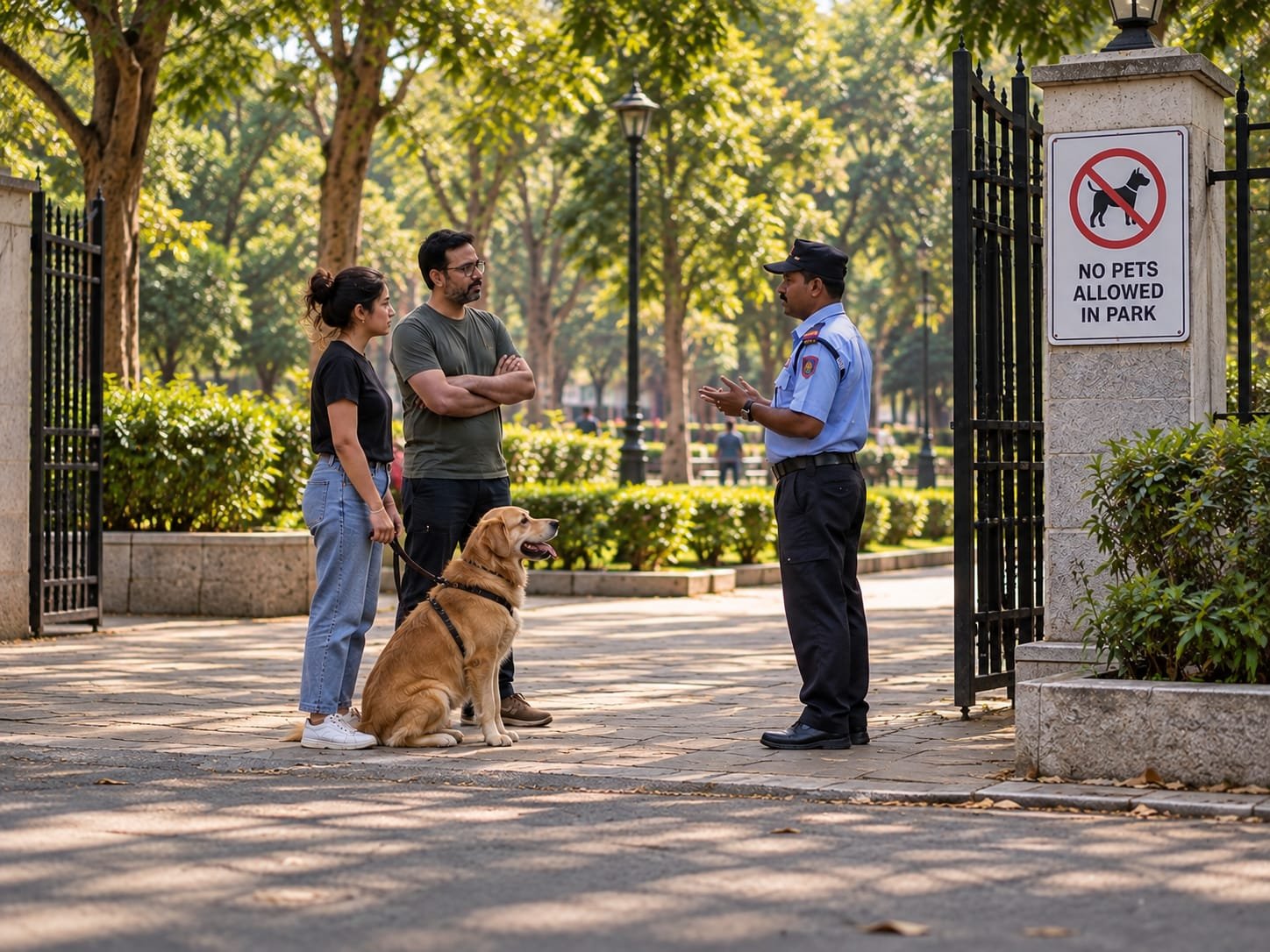
Parks, cafés, markets and housing are where a city's attitude to pets becomes visible. Pet-friendly spaces are not the absence of rules — they are places with clear, kind rules that let pets and people share them: safe walking paths, open areas to run, and homes that do not force families to choose between a pet and a roof.
What good looks like
Where citizens fit in
None of this needs to wait for a policy. Residents' associations can adopt pet-friendly rules, businesses can open their doors, and citizens can report cruelty, support rescue groups and show up at local hearings. Civic teams then have something they rarely get: a visible, organised public asking for change.
Conclusion
A truly pet-friendly city protects animals from harm, puts care within reach, keeps food and nutrition accessible, and makes room for pets in public life. Measure your own city against these four foundations — and if it falls short, that is not a verdict. It is a to-do list.


